
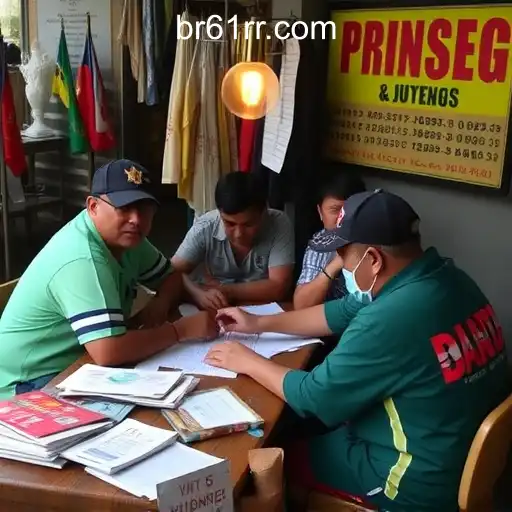

Understanding Jueteng and Its Cultural Impact on the Philippines
Jueteng is a form of illegal numbers game that has gripped the Philippines for decades. Despite its illegal status, this popular gambling activity continues to thrive, often under the radar of law enforcement agencies. The game itself is deeply rooted in Filipino culture, drawing participation from various strata of society, from humble neighborhoods to powerful political figures. This article explores the intricacies of Jueteng, its societal implications, and its ongoing confrontation with legal authorities.
What is Jueteng?
Jueteng is a numbers game that originated from China's traditional lottery and was later adopted by Filipinos during the Spanish colonial period. It involves picking a combination of numbers from a set of 37, with bets placed on this selection. The game relies on luck, with winners receiving substantial returns from their bets if their numbers are drawn.
Reasons Behind Jueteng's Popularity
The popularity of Jueteng can be attributed to several factors. In many rural and urban communities, where economic opportunities are scarce, it serves as a potential avenue for quick financial gain. Its allure is enhanced by the simplicity of participation and the substantial payouts for winners. Moreover, Jueteng has been ingrained in local culture as a social activity, often forming part of community events and gatherings.
Another factor contributing to Jueteng's popularity is the involvement of syndicates and organizers who operate with sophistication and influence. These operators manage to maintain a loyal base of participants through trust and efficient distribution of winnings, further entrenching Jueteng within the socio-economic fabric of the Philippines.
The Role of Corruption in Jueteng's Proliferation
Corruption plays a significant role in the proliferation of Jueteng. Throughout the years, numerous reports have surfaced exposing the complicity of public officials in protecting Jueteng operations in exchange for financial incentives. This collusion not only prevents law enforcement from crushing Jueteng businesses but also enables them to expand and evolve.
The influence of Jueteng money on politics cannot be overstated. Election campaigns, political rallies, and even government appointments have been reportedly bankrolled by Jueteng proceeds, enabling the game to weave itself into the political landscape of the Philippines.
Legal and Moral Ramifications
The ongoing struggle to curtail Jueteng involves complex ethical and legal challenges. On one side, the government is tasked with upholding laws that deem Jueteng illegal under Philippine statutes, focusing on eliminating corruption and regulating gambling practices. Yet, this is easier said than done as Jueteng remains embedded in communities that depend on it for financial survival.
From a moral standpoint, Jueteng sparks debate on the exploitation of impoverished populations who are lured by the possibility of fortune, overshadowing reasoning and reality. For many, this easy-money prospect provides a temporary escape from economic hardship, yet it risks draining financial resources needed for vital needs.
Efforts to Eradicate Jueteng
Numerous administrations have launched campaigns aimed at eradicating Jueteng, often featuring high-profile arrests and policy initiatives. A notable approach involves substituting Jueteng with legal forms of gambling such as the Small Town Lottery (STL), hoping that the latter's regulation would steer people away from illegal gambling. However, these measures often fall short, as STL sometimes serves as a cover for Jueteng operations.
Efforts to involve local governments in curbing Jueteng have seen mixed results. While some regions report successful crackdowns, others continue to struggle with enforcement, highlighting the challenges of a country grappling with systemic issues and deep-seated cultural practices.
Jueteng's Cultural Significance
Despite its controversial nature, Jueteng holds cultural significance in the Philippines. It reflects a deep intertwinement between gambling and Filipino society, revealing both the resilience and struggles of communities facing economic adversity. It's often viewed not merely as a gambling activity, but as a cultural tradition, offering insight into the communal values and social dynamics among participants.
An Unexpected Connection
In the world of gaming and gambling, there's the emergence of online platforms such as "61RR.com Oficial Slots Brasil #1," which highlights the globalization of gambling and the digital transition from traditional games such as Jueteng. Modern online platforms offer an alternative for those interested in gaming, providing a different approach from the locally entrenched numbers games.
The digital age offers new frontiers for gambling activities, potentially reshaping how traditional games are perceived and engaged with in the future. The internet opens up opportunities for regulated, legitimate interactions, albeit presenting challenges regarding accessibility and potential legal discrepancies.
Conclusion
Jueteng remains a complex challenge for the Philippines, combining cultural, social, and legal dimensions that are difficult to disentangle. The enduring popularity of Jueteng, reinforced by systemic corruption and deep-rooted cultural practices, continues to pose challenges to national and local governance.